Halloween Lung Anatomy: A Designer's Review
As someone who has spent years navigating the intersection of digital design and physical stitching, I approach every new machine embroidery design with a mix of excitement and skepticism. The market is flooded with generic patterns, but occasionally, a concept arrives that offers genuine creative potential for a craft business or a personalized gift line. Today, I am evaluating the Halloween Lung Anatomy design. This isn't just about whether the file loads correctly; it is about how this specific motif translates from a screen into a tangible, high-quality finished product that customers will actually want to buy.
The Visual Impact and Mood
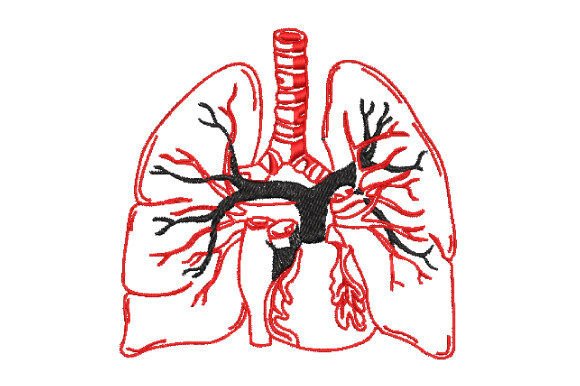
At first glance, the Halloween Lung Anatomy design strikes a unique balance between medical illustration and spooky holiday aesthetic. It avoids the cliché pumpkins and ghosts, opting instead for an anatomical approach that feels edgy yet educational. For an Etsy seller or boutique owner looking to differentiate their holiday embroidery collection, this visual personality is a significant asset. The layout suggests a design built for impact rather than subtle decoration. It commands attention, making it ideal for statement pieces like oversized sweatshirts, heavy canvas tote bags, or even aprons for a themed kitchen event.
However, the mood is specific. This is not a whimsical design for a toddler's nursery decor or a soft baby item. The anatomical nature of the lungs implies a mature audience. If you are planning to use this as a personalized gift, consider the recipient's sense of humor and appreciation for the macabre. In my experience, designs that lean into "gross-out" or "science-meets-spooky" themes perform exceptionally well in niche markets, particularly among students, healthcare workers, or horror enthusiasts.
Real-World Application: The Sweatshirt Scenario
To truly understand the utility of the Halloween Lung Anatomy design, let's walk through a practical scenario. Imagine I am preparing a limited-run batch of custom apparel for a small shop product launch. I choose a heavyweight, heather-grey sweatshirt as the base fabric. The goal is to create a premium custom apparel item that stands out at a craft fair or online store.
When I load the embroidery file into my digitizing software, the first thing I assess is the stitch density. Anatomical designs often require intricate detailing to capture the texture of tissue and veins. If the fill stitch is too dense, it can cause puckering on stretchy knit fabrics like sweatshirts. Conversely, if it is too sparse, the design may look unfinished or allow the dark grey fabric to show through unevenly. For this project, I would likely run a test on a scrap piece of similar fleece to check the tension. Using a cutaway stabilizer is non-negotiable here to support the weight of the stitches without distorting the fabric.
Once stitched, the result should be a crisp, raised image that adds texture to the garment. The Halloween Lung Anatomy design works beautifully here because the organic curves of the lungs soften the rigid lines of the anatomy, creating a visually pleasing contrast against the smooth surface of the sweatshirt. Customers browsing a digital product preview or a printable mockup need to see exactly how the thread interacts with the fabric texture to trust the quality before purchasing.
Navigating Fabric and Hoop Constraints
While the design is versatile, there are specific contexts where caution is required. One critical factor is the hoop size. Anatomical details can easily get lost if the design is scaled down too aggressively. If you attempt to fit the full Halloween Lung Anatomy into a small 4x4 inch hoop, the delicate veins and structural lines may blur together, resulting in a muddy appearance. Always verify the recommended dimensions in the product description before committing to a small patch or hat application.
Fabric choice is equally important. On thin materials like handkerchiefs or light cotton tees, the weight of the thread could overwhelm the fabric, leading to sagging or holes. In these cases, a tear-away stabilizer might suffice, but a medium-weight interfacing applied behind the design area would offer better longevity. For textured fabrics like denim or canvas, the satin stitch outlines used in the design will stand out sharply, enhancing the definition. However, on highly textured surfaces like terry cloth towels, the intricate details might struggle to sit flat, potentially causing thread breakage during stitching.
Dark fabrics present another challenge. While black or deep purple backgrounds enhance the Halloween vibe, they demand precise color selection. You cannot simply use standard white thread for everything; varying shades of grey, red, or pale pink might be necessary to create depth and dimension within the lung structure. Without careful thread colors planning, the design risks looking flat and two-dimensional.
Commercial Viability and Brand Consistency
For the craft business owner, the Halloween Lung Anatomy design offers a strong opportunity for brand consistency. Unlike generic clip art, this motif tells a story. It fits perfectly into a cohesive collection of science-themed or alternative holiday items. Whether you are selling an embroidered patch for backpacks or a full tote bag design for grocery shopping, the recognizable imagery builds immediate recognition.
However, professional presentation is key. Before listing your items, ensure you have high-quality photos that highlight the stitch work. A close-up shot showing the clarity of the running stitch edges and the smoothness of the fill areas builds customer trust. Buyers on platforms like Etsy are increasingly savvy; they want to know that the finished product matches the digital embroidery file representation. If the design looks pixelated or messy in your photos, sales will suffer regardless of how cool the concept is.
Practical Notes for the Designer
If you decide to integrate Halloween Lung Anatomy into your workflow, follow these essential steps to ensure success:
- Test First: Always embroider the design on a scrap piece of the actual fabric you intend to use. Check for puckering, skipped stitches, or thread breaks.
- Check Licensing: Verify the terms of the embroidery file before selling finished goods. Some designers restrict commercial use, while others allow unlimited production. Never assume; always confirm.
- Mockups Matter: Create both black and white mockups to visualize how the design performs on different background colors. This helps in deciding which thread palette works best.
- Stabilizer Selection: Match the stabilizer to the fabric weight. Heavy knits need cutaway; wovens might only need tear-away.
- Detail Inspection: Zoom in on the smallest elements. If the veins are too thin, they may not stitch cleanly on all machines. Be prepared to adjust settings or simplify if necessary.
In conclusion, the Halloween Lung Anatomy design is a compelling addition to any serious designer's library. It offers a fresh take on seasonal motifs, perfect for those targeting a specific, engaged audience. By respecting the technical requirements of commercial embroidery and choosing the right applications, you can transform this digital asset into a profitable, high-quality handmade product. Whether for a one-off personalized gift or a seasonal boutique collection, this design has the potential to elevate your portfolio when executed with care and precision.