Black Hat Pumpkin Patch: A Designer Review
As a professional embroidery designer who has spent years curating assets for small business owners, I know that the difference between a good design and a great one often lies in its versatility. When I first encountered the Black Hat Pumpkin Patch, Locally Grown machine embroidery design, my initial reaction was one of cautious optimism. The title suggests a blend of rustic charm and spooky flair, promising a "hauntingly good" aesthetic with "eerie elegance." For a boutique owner or an apparel decorator looking to capitalize on the seasonal rush without sacrificing brand integrity, this digital embroidery file presents a compelling opportunity. However, before you commit to production runs or bulk orders, it is essential to evaluate how this specific asset performs in real-world commercial scenarios.
First Impressions: Visual Personality and Brand Fit
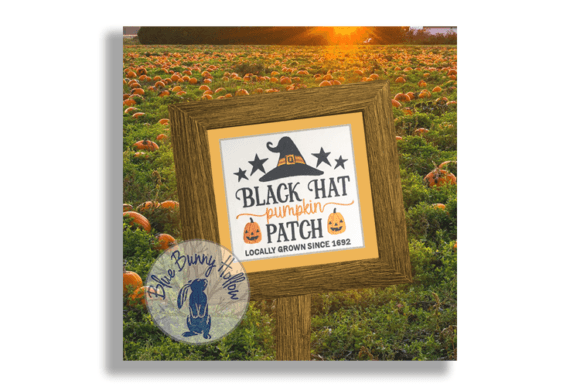
The concept behind Black Hat Pumpkin Patch, Locally Grown immediately signals a shift away from generic, mass-produced Halloween imagery. Instead of relying on clichéd ghosts or overused skeletons, this design leans into a narrative of local harvest meets gothic whimsy. The combination of a black hat motif with pumpkin elements creates a visual identity that feels both handmade and premium. For businesses selling custom apparel, this level of detail can significantly elevate the perceived value of your finished product.
In the context of brand identity, this design offers a unique voice. It works exceptionally well for brands that want to appear approachable yet sophisticated. Whether you run a specialty coffee shop, a high-end florist, or a craft-focused Etsy store, the "locally grown" aspect of the theme resonates with customers who value community and authenticity. The chilling quote mentioned in the description adds a layer of personality that transforms a simple garment into a conversation starter. This is not just decoration; it is a strategic tool for customer engagement.
Performance in Real Business Applications
When translating a digital file into physical merchandise, functionality is paramount. Here is how Black Hat Pumpkin Patch, Locally Grown performs across various applications commonly used by small business merch creators:
- Embroidered Patches: This design is ideally suited for creating detachable patches. The distinct shapes of the pumpkins and the hat allow for clean satin stitching and defined outlines. These patches can be sewn onto denim jackets, canvas tote bags, or backpacks, offering a versatile revenue stream for your shop.
- Staff Uniforms and Aprons: For a café or bakery, apron embroidery is a cost-effective way to unify your team's look during the fall season. Placing this design on the chest pocket or upper back of an apron adds a festive touch without overwhelming the wearer. It strikes a balance between professional attire and seasonal spirit.
- Cap Embroidery: Caps are a staple for promotional events. The design's composition needs to be evaluated for curved surfaces, but if the text and imagery are balanced correctly, it makes for a striking cap front or side-panel accent.
- Tote Bag Design: Canvas totes are perfect for carrying heavier stitch density. The contrast of the black hat against orange or green thread colors would pop beautifully on natural-colored cotton, making these totes excellent for event giveaways or retail add-ons.
- Product Packaging Accents: Consider using smaller versions of this design as labels on jars of jam, boxes of cookies, or gift wraps. It reinforces the "locally grown" message and enhances the unboxing experience for your customers.
Critical Considerations for Production
While the potential is high, every experienced designer knows that not every design translates perfectly to every medium. There are specific areas where Black Hat Pumpkin Patch, Locally Grown requires careful handling to ensure quality control.
Stitch Density and Detail: If the design features intricate details in the pumpkin textures or the brim of the hat, high stitch density can cause fabric puckering, especially on lighter materials like linen or thin cotton. You must test the design on your specific fabric texture before running a full batch. Using the correct stabilizer is non-negotiable here; a cutaway stabilizer may be necessary for stretch fabrics to maintain the shape of the embroidered patch.
Size Limitations: One of the most common pitfalls is scaling down complex designs. If you attempt to use this as a tiny logo on a sleeve cuff or a small keychain, the lettering of the chilling quote may become illegible. Always check the minimum recommended hoop size. If the text becomes too small, consider simplifying the design or removing the text entirely for smaller applications, focusing only on the iconic hat and pumpkin imagery.
Thread Color Contrast: The name implies a dark theme, likely involving black threads. On dark uniforms or black fabric, a black-on-black embroidery design will fail unless you use a metallic or variegated thread to create depth. Conversely, on light fabrics, ensure the contrast is sharp enough to stand out. Test swatches in black and white first to verify the layout and spacing before committing to expensive thread colors.
Strategic Value for Small Businesses
Integrating Black Hat Pumpkin Patch, Locally Grown into your product line does more than just sell items; it strengthens your brand recognition. Consistency in your design assets helps customers identify your work instantly. When they see the same playful yet elegant motif on your staff's caps, your branded tote bags, and your social media printable mockups, it builds trust and professionalism.
For handmade brands, the perception of quality is everything. A well-executed commercial embroidery project signals that you care about the details. This design allows you to offer limited-edition seasonal collections that feel exclusive. By creating a cohesive look across your merchandise, you increase the average order value, as customers are more likely to buy a matching set—a cap, a tote, and a shirt—when the branding is consistent and visually appealing.
Practical Designer Notes for Success
Before you purchase the digital embroidery file or begin your production run, follow these steps to ensure the best results:
- Verify Licensing: Confirm that the commercial licensing terms allow for the volume of items you plan to produce. Ensure you have the right to use the design on products for resale, such as custom apparel and patches.
- Create a Mockup: Generate a printable mockup of the design on your actual products. Show this to your clients or stakeholders for approval before any needles hit the fabric. This saves time and money on rework.
- Test Stitch Out: Run a test on the exact fabric you intend to use. Check for pull-through, skipped stitches, or uneven tension. Adjust the speed and tension settings on your machine accordingly.
- Review Spacing: Ensure there is adequate space between the design and the edges of your garment or patch backing. Crowded designs can fray or peel over time, especially after frequent washing.
- Compare Assets: Place this design beside your other brand assets. Does it clash with your primary logo? Does it complement your color palette? Visual consistency is key to a strong brand identity.
In conclusion, Black Hat Pumpkin Patch, Locally Grown is a robust addition to any embroidery library focused on seasonal merchandise. With proper planning and attention to technical details like stabilizer choice and stitch density, it can serve as a cornerstone for your fall collection. Whether you are decorating staff uniforms, creating unique patches, or enhancing your handmade product line, this design offers the eerie elegance and professional finish that modern consumers expect.