Good Old Fashioned Candy Canes Review
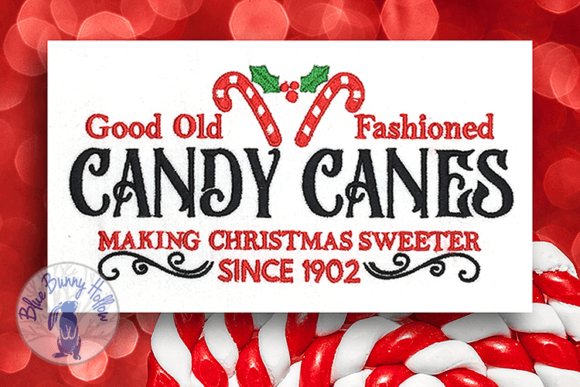
As I set up my worktable for the upcoming holiday season, I am sorting through a stack of digital files to decide which ones will make the cut for my weekend craft fair booth. The goal is always the same: find designs that stop shoppers in their tracks, translate well onto physical products, and sell themselves without needing a long sales pitch. Today, I am reviewing Good Old Fashioned Candy Canes, a machine embroidery design promising a look at what the North Pole must be like with cookies, candies, hot chocolate, and candy canes. Before I spend hours digitizing test runs or ordering bulk thread, I need to know if this file is a genuine winner for handmade product lines.
First Impressions: A Nostalgic Holiday Vibe
When I first opened the preview of Good Old Fashioned Candy Canes, the aesthetic immediately clicked. It does not feel modern, minimal, or overly trendy. Instead, it leans heavily into a rustic, farmhouse charm that is currently dominating the handmade market. The description mentions cookies, candies, and hot chocolate alongside the classic candy cane motif, suggesting a scene rather than just a single icon. This narrative quality is crucial for an Etsy seller or boutique maker because it tells a story. Customers do not just buy a pattern; they buy the feeling of a cozy winter evening. The design feels soft yet festive, avoiding the harsh, neon-bright styles that often clash with high-quality fabric textures. For a craft fair product, this nostalgic approach is a strong selling point, appealing to buyers looking for traditional Christmas decor or gifts that feel personal and timeless.
Evaluating Product Applications for Maximum Sales
The true test of any embroidery file is how it performs across different substrates. As I visualize my booth display, I am considering where Good Old Fashioned Candy Canes would shine brightest. Kitchen textiles are the obvious starting point. Imagine this design as tea towel embroidery on a natural linen or cotton blend. The imagery of hot chocolate and cookies fits perfectly in a kitchen setting, making it an ideal gift for new homeowners or holiday hostesses. The warm tones likely present in the design would contrast beautifully against cream, oatmeal, or sage green fabrics, creating a premium look that justifies a higher price point.
Beyond the kitchen, this design has significant potential for tote bags and aprons. An apron embroidered with Good Old Fashioned Candy Canes transforms a utilitarian item into a statement piece for holiday baking parties. The scale of the design seems large enough to serve as a focal point on the bib of an apron or centered on a canvas tote bag. However, I am also thinking about smaller items like embroidered patches or small fabric pouches. If the design allows for isolation of elements—such as just the candy canes or a single cookie—it could work well as a decorative accent on denim jackets or backpacks. For the small shop product line, versatility is key. A design that works on both a large pillow cover and a tiny hair bow offers more inventory options without requiring new assets.
Production Realities and Technical Considerations
While the visual appeal is strong, a professional designer knows that production logistics determine profit margins. One of the first things I check is stitch density. Designs featuring multiple elements like cookies, drinks, and candies can easily become dense, leading to puckering on lighter fabrics. If the stitch density is too high, the finished product may lose its soft hand-feel, which is a dealbreaker for luxury handmade goods. I plan to run a test on scrap fabric to ensure the backing stabilizer holds up without making the towel or bag stiff. Using the right stabilizer is non-negotiable here; a tear-away might not suffice for textured towels, while a cut-away could be too heavy for a delicate tea towel.
Another critical factor is the hoop size. To capture the full scene described in the product details, the hoop needs to accommodate all the elements without crowding. If the design requires a 10x10 inch hoop, it limits the types of products I can use, such as standard cap panels or small pouches. I need to verify if the design can be scaled down effectively. Sometimes, shrinking a complex scene results in lost clarity, especially with tiny details like the sprinkles on cookies or the steam from hot chocolate. If the details get muddy at smaller sizes, I will stick to larger formats like pillow covers and table runners where the intricacies can be appreciated up close.
Visual Clarity and Color Contrast
For a craft fair booth, visibility is everything. Shoppers scan tables quickly, so the embroidery must pop. Good Old Fashioned Candy Canes relies on the inherent color palette of Christmas. Red, white, and green are staples, but the addition of browns for cookies and chocolates adds depth. I must ensure the thread colors provide sufficient contrast against the chosen fabric. Darker fabrics can sometimes swallow the detail of a busy design, so I will prioritize light-to-medium neutrals for my initial batch. Additionally, I need to consider how the design photographs for online listings. A printable mockup is useful, but nothing beats a photo of the real thing. The texture of the stitches should catch the light in photos, highlighting the handmade quality and distinguishing it from cheap printed alternatives.
Strategic Selling Points for Creative Entrepreneurs
From a business perspective, this design offers excellent brand consistency for those focusing on traditional or farmhouse-style holiday collections. It signals quality and attention to detail. When displayed correctly, perhaps on a tiered stand with matching aprons and totes, it creates a cohesive collection that encourages multiple purchases. The "North Pole" theme mentioned in the description taps into the universal desire for magic and nostalgia during the holidays. This emotional connection drives buyer engagement. Unlike generic snowflakes, a scene with specific food items invites conversation. A customer might say, "I love that hot cocoa mug," which opens the door for a sale.
However, there are careful-use notes to keep in mind. Avoid using this design on highly textured fabrics like heavy fleece or thick corduroy unless you have tested it thoroughly, as the needle may struggle to penetrate evenly, affecting the final look. Also, be wary of curved surfaces like caps. While a candy cane shape curves naturally, a complex scene with flat items like cookies might distort when stitched onto a rounded panel. Always check the commercial licensing before selling finished products. Ensure your license allows for the volume you intend to produce, whether it is for a single Etsy listing or a wholesale order for a local boutique.
Final Verdict for Your Handmade Business
In conclusion, Good Old Fashioned Candy Canes is a strong contender for any embroidery business owner looking to expand their holiday catalog. Its nostalgic charm aligns perfectly with current market trends for handmade, rustic decor. By carefully selecting the right fabrics, managing stitch density, and ensuring proper color contrast, this design can elevate a simple craft fair product into a sought-after gift. Whether you are producing tote bag designs, apron embroidery, or decorative pillow covers, the key is to treat the file with respect during production. Test it, refine it, and present it proudly. With the right execution, this digital embroidery file can become a best-seller that brings the spirit of the North Pole directly to your customers' homes.