Gingerbread Cottage 4: A Designer's Review
As I set up my booth for the upcoming holiday craft fair, the table is already groaning under the weight of finished samples. There are stacks of embroidered tote bags, rows of aprons, and a collection of tea towels waiting to be judged by the public eye. In this high-stakes environment where every square inch of display space counts, I am currently evaluating Gingerbread Cottage 4. This design has landed on my desk as a potential star for the season, but before I commit hours of machine time to batch production, I need to know if it translates from a digital file into a sellable handmade product.
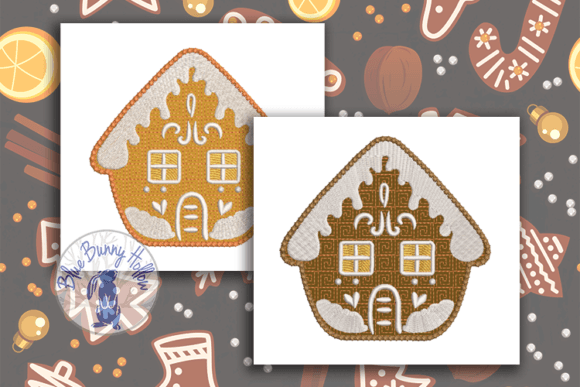
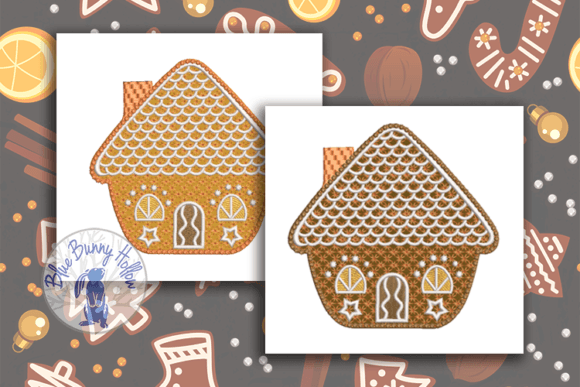
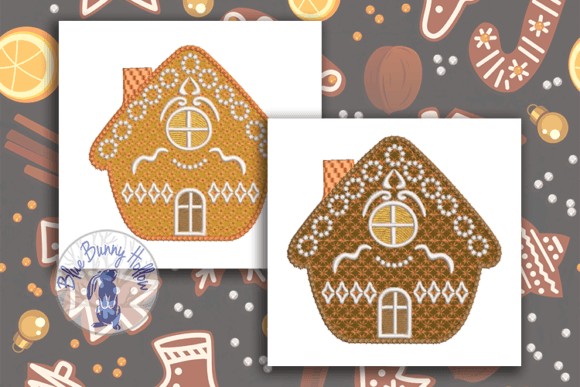
The first impression of Gingerbread Cottage 4 is one of classic, nostalgic charm. It feels less like a modern graphic and more like a scene plucked from a storybook. The description highlights intricate decorative stitches that bring this sweet holiday cottage to life, with a specific note on the use of white thread. This immediately signals a "snowy roof" aesthetic, which is a staple in Christmas embroidery. However, relying heavily on white thread against white or light-colored fabric requires precision. If the stitch density isn't perfect, the cottage could disappear rather than sparkle. For an Etsy seller or boutique maker, the visual appeal here hinges on contrast and texture.
Visual Impact and Booth Display Strategy
When planning my craft fair product lineup, I look for designs that stop the customer in their tracks. Gingerbread Cottage 4 has the potential to be that focal point, provided it is placed correctly. On a crowded table filled with reds and greens, a design featuring a charming cottage with white accents offers a moment of softness and whimsy. It leans heavily into the farmhouse and rustic aesthetic that remains popular among buyers looking for unique home decor.
I envision this design performing exceptionally well on kitchen textiles. Imagine a cream-colored linen apron or a high-quality cotton tea towel. The intricate details of the cottage would stand out beautifully against the natural weave of the fabric. For the apron embroidery category, placing Gingerbread Cottage 4 near the pocket creates a delightful surprise. Similarly, on a tea towel embroidery project, the design acts as a conversation starter. Customers love tactile items they can touch, and the raised texture of the decorative stitches adds a premium feel that flat prints cannot replicate.
However, not every application works equally well. While the design is charming, its complexity might get lost on smaller items. A small fabric pouch or a tiny patch might struggle to convey the full detail of the cottage without becoming muddy. For these applications, I would consider scaling the design down only if the intricate elements can be simplified. Otherwise, it is better suited for larger surfaces like pillow covers, market bags, or the front panel of a tote bag design. These larger canvases allow the buyer to appreciate the craftsmanship and the delicate work that goes into the finished product.
Practical Production Considerations
Before running a batch of fifty items, I always test the machine embroidery design on scrap fabric. With Gingerbread Cottage 4, the primary concern is the interplay between the intricate stitches and the chosen stabilizer. Dense stitch areas are mentioned in the concept, which means the backing must be robust enough to prevent puckering, especially on textured fabrics like heavy canvas or thick terry cloth used for towels.
One critical aspect of this design is the reliance on white thread. White thread can sometimes appear grayish if the underlying fabric is not bright enough or if the needle tension is off. As an experienced designer, I advise checking thread colors against your specific fabric swatches under different lighting conditions. Booth lighting is often harsh, and what looks crisp in your studio might look dull under fluorescent lights at a market. Furthermore, if you plan to offer this as a commercial embroidery option, ensure the stitch density allows for quick turnaround times. Complex designs take longer to run, increasing your labor costs per unit.
For those selling digital assets, creating a printable mockup is essential. Buyers need to visualize how Gingerbread Cottage 4 will look on their own projects. A high-quality mockup showing the design on a cozy sweater or a festive cap can significantly boost sales. However, be honest about the limitations. If the design features tiny details, warn customers that these may not hold up on very small hoop sizes or on curved surfaces like caps. Curved cap surfaces can distort the perspective of a building, making the cottage look skewed unless the digitizing was specifically adjusted for that shape.
Targeting the Right Customer Base
This design appeals strongly to the demographic seeking handmade gifts with a personal touch. It is not a mass-produced logo; it is a piece of art. For the small shop product owner, Gingerbread Cottage 4 represents an opportunity to elevate brand consistency. If your brand focuses on cozy, homey, and traditional aesthetics, this design fits perfectly. It reinforces the narrative of warmth and holiday cheer.
Consider the packaging as well. A finished product featuring this design should be presented in a way that highlights its quality. Clear cellophane wrapping that shows off the stitching, paired with a tag explaining the intricate nature of the work, adds value. When a customer sees the depth of the stitches and the care taken in the execution, they are willing to pay a premium price. This transforms a simple embroidered item into a luxury gift.
Final Verdict for Craft Entrepreneurs
In conclusion, Gingerbread Cottage 4 is a strong contender for your holiday collection, but it demands respect for its technical requirements. It is not a "run and forget" design. It requires careful selection of fabric, precise stabilization, and thoughtful placement to ensure the intricate decorative stitches shine. If you are an Etsy seller or a craft fair vendor looking to differentiate your inventory, this design offers a unique blend of nostalgia and quality.
My recommendation is to start small. Create a few high-end samples on premium materials like organic cotton or linen. Test the design on dark fabrics to see if the white thread pops effectively, and verify that the details remain clear. Once you have perfected the look, scale up for your busiest weekend markets. Remember to confirm your commercial licensing terms before selling any finished products made from this digital embroidery file. With the right execution, Gingerbread Cottage 4 can become a signature item that draws customers to your booth and keeps them coming back for more.