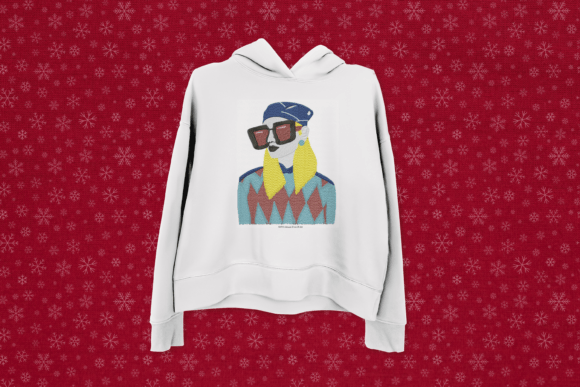
Cirra Woman with Glasses: Craft Fair Review
As an experienced embroidery designer preparing for the upcoming weekend craft fair, I am constantly evaluating new machine embroidery design assets to see which ones will truly move from my hoop to the sales table. Today, I am reviewing the Cirra Woman with Glasses, a unique masterpiece meticulously created by a family of craft enthusiasts. The description promises an abundance of love poured into every stitch, and as someone who relies on quality to build a brand, I need to determine if this translates into a profitable handmade product.
First Impressions: Style and Market Fit
When I first loaded the embroidery file onto my screen, the aesthetic immediately stood out. The Cirra Woman with Glasses strikes a perfect balance between modern elegance and approachable charm. It does not feel overly rustic or strictly farmhouse; instead, it carries a sophisticated yet whimsical vibe that appeals to a broad demographic. For a craft fair booth, this is crucial. We are looking for designs that stop people in their tracks without alienating potential buyers.
The inclusion of glasses adds a distinct personality trait that resonates with intellectual, artistic, and book-loving audiences. This specific detail transforms a generic portrait into a character-driven piece. In the crowded landscape of Accessories, having a focal point like this helps the design stand out against sea of floral patterns and geometric shapes. It feels premium, suggesting that the finished item is not just a commodity but a curated piece of art.
Evaluating Product Applications for Maximum Sales
To succeed at a handmade market, a design must be versatile. I tested how Cirra Woman with Glasses performs across various substrates commonly found in my booth. Here is my breakdown of where this design shines:
- Tote Bag Design: This is likely the strongest application. A large-format print of Cirra on a sturdy canvas tote bag creates an instant statement piece. Customers can easily visualize carrying this to the library, a coffee shop, or a gallery opening. The scale allows for intricate details to remain visible, making it a high-value craft fair product.
- Apron Embroidery: Placing the design on the bib of a linen apron offers a charming, kitchen-ready aesthetic. It works exceptionally well for gifts targeting home cooks or bakers who appreciate a touch of personality in their workspace. The vertical orientation of most aprons suits the portrait style perfectly.
- Tea Towel Embroidery: While smaller than a tote, a tea towel provides a soft backdrop. However, care must be taken with placement. Centering the face ensures it remains the hero of the product. This is a classic small shop product that sells quickly due to its lower price point and practical utility.
- Embroidered Patch: Creating patches from this design opens up a world of customization. Customers can iron them onto denim jackets, backpacks, or hats. Patches are excellent for impulse buys at a booth because they are affordable and highly giftable.
- Cap Embroidery: Applying Cirra Woman with Glasses to a cap requires careful consideration of the curved surface. If the design is too wide, it may distort on the brim or crown. A slightly cropped version focusing on the face might work better here to maintain clarity.
- Pillow Covers and Fabric Pouches: These items allow for larger stitch counts. A pillow cover featuring Cirra becomes a conversation starter in a living room, while small pouches serve as functional organizers for makeup or sewing notions.
Practical Production Considerations
While the visual appeal is undeniable, the practicality of production determines whether I can batch-produce these items efficiently for a busy Saturday morning. As a professional, I know that a beautiful digital file can become a nightmare on fabric if not managed correctly.
Stitch Density and Fabric Texture
The stitch density in the facial features of Cirra appears moderate, which is good for speed, but the hair and glasses frames require attention. On thick fabrics like heavy canvas or textured towels, dense areas can pucker. I recommend testing the design on scrap fabric first. If you plan to use this for commercial embroidery, ensure your machine tension is dialed in to prevent thread breakage in those tighter curves.
Hoop Size and Stabilizer Selection
Before committing to a full run, confirm the required hoop size. If the design is large, you will need a 5x7 or 6x10 hoop, which limits the types of products you can embroider simultaneously. For smaller applications like patches or caps, a 4x4 hoop might suffice, but you must verify that the design scales down without losing the definition of the glasses. Always use a tear-away or cut-away stabilizer appropriate for the fabric weight. Neglecting this step can ruin the finish of an otherwise exquisite design.
Thread Colors and Contrast
The magic of Cirra Woman with Glasses lies in the contrast. When selecting thread colors, avoid matching the skin tone too closely to the background fabric. High contrast ensures the design pops when customers glance at your table display. For dark fabrics, a bright white outline or highlight can make the glasses sparkle, drawing the eye immediately. This visual pop is essential for increasing buyer engagement in a noisy market environment.
Marketing and Visual Appeal for Online and Offline Sales
In today's hybrid marketplace, your physical booth must align with your online presence. How does this design photograph? Cirra Woman with Glasses photographs beautifully. The clean lines and distinct features translate well into printable mockup images for Etsy listings. You can create lifestyle shots showing the design on a tote bag held by a model, or a flat lay on a wooden table with coffee beans nearby.
For the Etsy seller, this design offers strong branding potential. It feels cohesive and intentional. Unlike random clip art, this feels like a signature look. Consistency in your design assets builds trust with repeat customers. If you sell multiple items featuring Cirra, such as a matching set of a tote and a tea towel, you increase the average order value significantly.
Final Designer Notes and Licensing
Before you start stitching, there are a few critical checks to perform. First, inspect the tiny details. Does the reflection in the glasses hold up at smaller sizes? If the eyes look blurry when scaled down, do not attempt to produce mini-patches. Stick to larger formats where the detail shines.
Second, check the commercial licensing terms provided with the digital embroidery file. Since this design was created by a family of craft enthusiasts, ensure you have the right to sell finished goods. Some licenses restrict the number of items you can sell or require attribution. Never assume; always read the fine print to protect your business.
Finally, create at least one real mockup before the craft fair. Do not rely solely on the software preview. Stitch it out on the exact fabric you intend to sell. This test run will reveal any hooping issues, thread clashes, or stabilizer needs. Once you have a flawless sample, you can confidently batch-produce the rest of your inventory.
In conclusion, Cirra Woman with Glasses is a standout addition to any embroidery collection. With its blend of character, elegance, and versatility, it has the potential to become a bestseller in the Embroidery category. By paying attention to production details and strategic product selection, you can turn this unique masterpiece into a profitable staple for your handmade business.